A company operating in precision manufacturing must provide comprehensive training programs to ensure the safety, efficiency, and skill development of its workforce. The specific training needs may vary based on the type of manufacturing processes, equipment used, and the complexity of the tasks involved. Here are important training areas for a company in precision manufacturing:
1. Machine Operation and Safety:
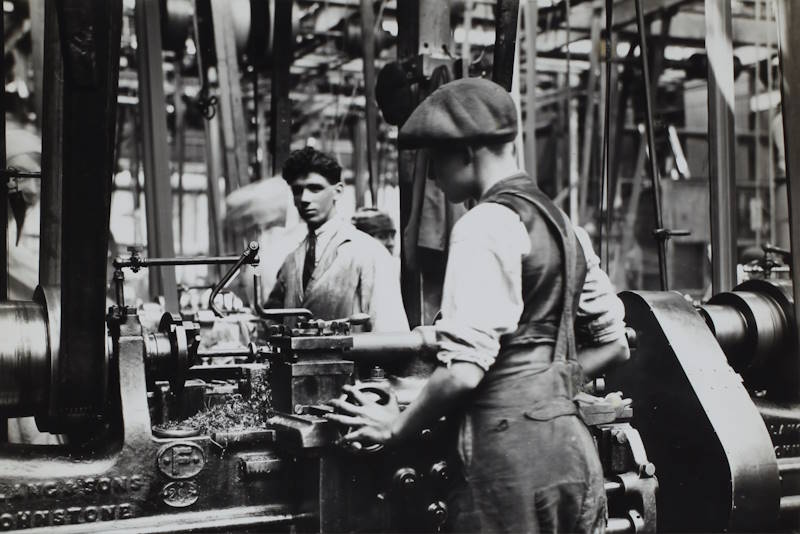
Training on the safe operation of precision manufacturing machines, including CNC machines, lathes, milling machines, and other equipment. This should cover proper start-up and shutdown procedures, tool changes, and emergency protocols.
2. Lockout/Tagout Procedures:
Education on lockout/tagout procedures to ensure the safe isolation of energy sources during maintenance, repair, or servicing of machines. Workers must understand the importance of preventing accidental machine start-ups.
3. Material Handling and Lifting Techniques:
Training on proper material handling techniques to prevent musculoskeletal injuries. This includes instruction on lifting, carrying, and using material handling equipment safely.
4. Hazardous Material Handling and Chemical Safety:
Education on the safe handling, storage, and disposal of hazardous materials and chemicals commonly used in precision manufacturing processes. Workers should be familiar with Material Safety Data Sheets (MSDS) and emergency response procedures.
5. Personal Protective Equipment (PPE):
Instruction on the selection, use, and maintenance of appropriate personal protective equipment, including safety glasses, ear protection, gloves, respirators, and other gear relevant to specific tasks.
6. Fire Safety:
Fire safety training covering the prevention of fires, proper use of fire extinguishers, emergency evacuation procedures, and awareness of potential fire hazards in the manufacturing environment.
7. Tool and Equipment Maintenance:
Training on the proper maintenance and inspection of tools and equipment. This includes calibration procedures, recognizing signs of wear or damage, and promptly addressing any issues to ensure equipment reliability.
8. Quality Control and Inspection:
Education on quality control processes, inspection techniques, and the importance of meeting specified tolerances. Workers should understand how to use measurement tools and instruments accurately.
9. CNC Programming:
For roles involving CNC machining, training in CNC programming is essential. This includes understanding the programming language, creating toolpaths, and optimizing programs for efficient and accurate machining.
10. Ergonomics and Injury Prevention:
Training on ergonomic principles to prevent musculoskeletal disorders and injuries caused by repetitive motions. This includes proper workstation setup, posture, and the importance of taking breaks.
11. Emergency Response:
Comprehensive training on emergency response procedures, including first aid, CPR, and evacuation plans. Workers should be aware of the location of emergency exits, first aid kits, and other safety resources.
12. ISO Standards and Quality Management Systems:
Understanding ISO standards relevant to precision manufacturing, including quality management systems. Training in implementing and maintaining quality standards is crucial for producing high-precision components.
13. Continuous Improvement and Lean Manufacturing:
Training on principles of continuous improvement and lean manufacturing methodologies to enhance efficiency, reduce waste, and optimize processes.
14. Teamwork and Communication:
Promoting effective teamwork and communication within the organization. This includes fostering a safety culture where employees feel comfortable reporting hazards and suggesting improvements.
15. Regulatory Compliance:
Awareness of and compliance with occupational health and safety regulations, environmental regulations, and industry standards applicable to precision manufacturing. Training programs should be tailored to the specific needs and roles within the company, and ongoing refresher courses should be provided to ensure that employees stay informed about the latest safety practices and industry advancements. Regular safety drills and evaluations can also help reinforce proper procedures and identify areas for improvement